Also known as Aquatic Physiotherapy, Hydrotherapy is a safe, versatile and effective treatment option that can benefit a wide range of people, especially those with specific health challenges or rehabilitation needs.
By leveraging the therapeutic properties of water — such as buoyancy, resistance, and temperature – hydrotherapy provides unique advantages for individuals facing mobility challenges from both Physical and Neurological conditions.

Hydrotherapy is ideal for individuals who are in the process of retraining their gait or regaining full weight-bearing capacity, such as those recovering from lower-limb surgery, injury or neurological conditions. The buoyancy of the water reduces the impact on joints, making it easier for individuals to practice walking, balance, and coordination in a controlled and low-impact environment. As individuals progress, they can gradually increase the weight they bear while moving through the water, allowing for safer and more effective rehabilitation.
One of the major advantages of hydrotherapy is the safety it provides. Being in water reduces the risk of falls due to the support and buoyancy the water offers. Individuals experiencing challenges with balance, coordination can engage in exercises without the fear of falling. Hydrotherapy provides a secure environment for practicing balance and strength exercises, which can improve overall stability and reduce the risk of falls in everyday life.


Hydrotherapy in warm water promotes muscle relaxation, increases blood circulation, and soothes pain, making it ideal for managing conditions like osteoarthritis, spinal ailments, and chronic pain. The ability to control water temperature adds a therapeutic dimension that makes hydrotherapy an excellent option for pain relief.
For individuals with limited mobility or who are bedridden, pressure sores or ulcers can become a major concern. Hydrotherapy can be beneficial for those at risk of developing pressure sores by encouraging movement, relieving pressure points, and promoting circulation. The buoyancy of the water helps distribute weight more evenly across the body, reducing the constant pressure that contributes to skin breakdown. Additionally, gentle movements in the water can assist with circulation, further helping to prevent or manage pressure ulcers.
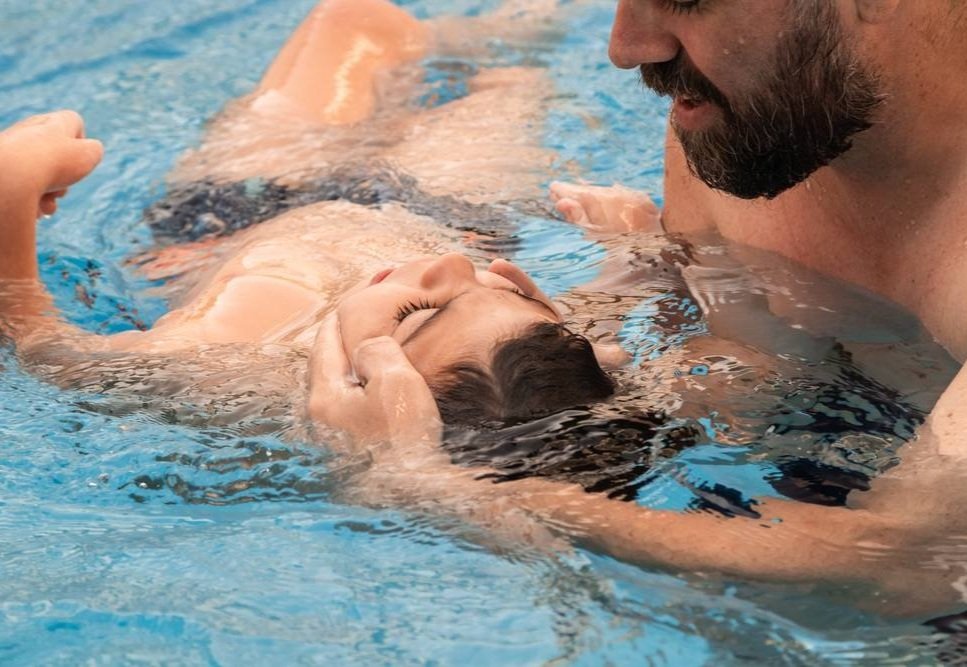

A contracture is the permanent shortening of a muscle or joint, often caused by conditions like cerebral palsy, stroke, or other neurological impairments. Hydrotherapy can help manage contractures by allowing individuals to perform stretches and joint mobilization exercises in water, where the resistance and buoyancy make movements less painful and more effective. The warmth of the water can also help relax tight muscles and improve flexibility, reducing the severity of contractures over time.
Hydrotherapy can be particularly helpful for individuals with chronic medical conditions that affect circulation and fluid retention. The hydrostatic pressure exerted by water helps improve venous return, which supports better circulation and can reduce swelling in the extremities (arms & legs). Additionally, the buoyancy of the water allows for gentle movement and exercise, which can further promote better blood flow and reduce fluid retention.

The unique properties of a warm aquatic environment can those experiencing a wide range of physical and neurological conditions.

NDIS Registration: 4053461457

Birkdale
Capalaba
Cleveland
Thornlands
Victoria Point
Redland Bay


