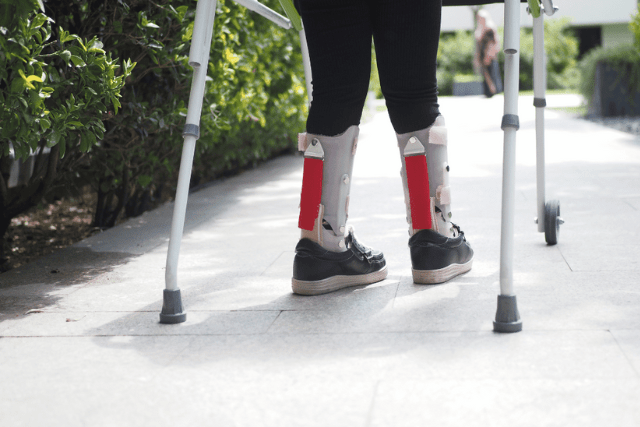
Acquired Brain Injury (ABI) is a life-altering condition that significantly impacts a person’s physical, emotional, and cognitive abilities. Whether resulting from trauma, stroke, or other medical conditions, ABI can leave individuals with impaired mobility, chronic pain, and reduced independence. It’s a reality that over 700,000 Australians live with daily, including close to 20,000 NDIS participants.
The road to recovery after a brain injury (ABI) can be long, but with the right support, significant progress is achievable. Physiotherapy offers a personalized approach to improving strength, mobility, and overall wellbeing, empowering individuals to regain their independence.

Everyone’s brain injury is different, which kind of seems like an overused phrase. But considering the brain is responsible for almost every single function that we can think of, the nature and level of disability experienced by those with an Acquired Brain Injury is incredibly diverse.
Physiotherapy treatment for Brain Injury is primarily focused on improving independence with mobility, or ‘Gross Motor Function’. These are larger movement tasks such as walking, transferring, bed mobility and use of the upper limbs for everyday tasks. All of which can be significantly affected from brain injury.
Physiotherapy is an essential part of the rehabilitation process for people with ABI. For individuals with physical impairments, physiotherapists provide specialised treatments aimed at restoring movement, reducing pain, and promoting functional independence.
One of the most common challenges faced by individuals with ABI is difficulty with mobility. The figure attached highlights the importance of an thorough and detailed Mobility Assessment. Gaining valuable insight into the factors that are limiting your independence shapes the role a Physiotherapist takes and the treatment options used.


Safety when mobilising is equally as important for independence as falls are one of the leading causes of Acquired Brain injury, not to mention further prolonged periods hospitalisation which can be devastating for someone’s physical independence. Strong collaboration with an Occupational Therapist is needed to ensure the environment and mobility aids are suitable for maximising mobility without increasing the risk of falls.
Chronic Pain can been more disabling than anything else for those with an Acquired Brain Injury and is often caused by sensitivity to sensory input, chronic headaches, or from other injuries that occurred during or after the onset of a Brain Injury (such as a motor vehicle accidents or falls).
Treatment for Chronic Pain can involve hands-on Physiotherapy treatments such as joint mobilisation and treatment to soft tissues around the head and neck.
Through experience, Dry Needling in particular has been very effective in managing pain levels and in SOME cases has improved cognitive function, lessened the need for pain medication and reduced seizures for several days.


NDIS Registration: 4053461457

Birkdale
Capalaba
Cleveland
Thornlands
Victoria Point
Redland Bay